
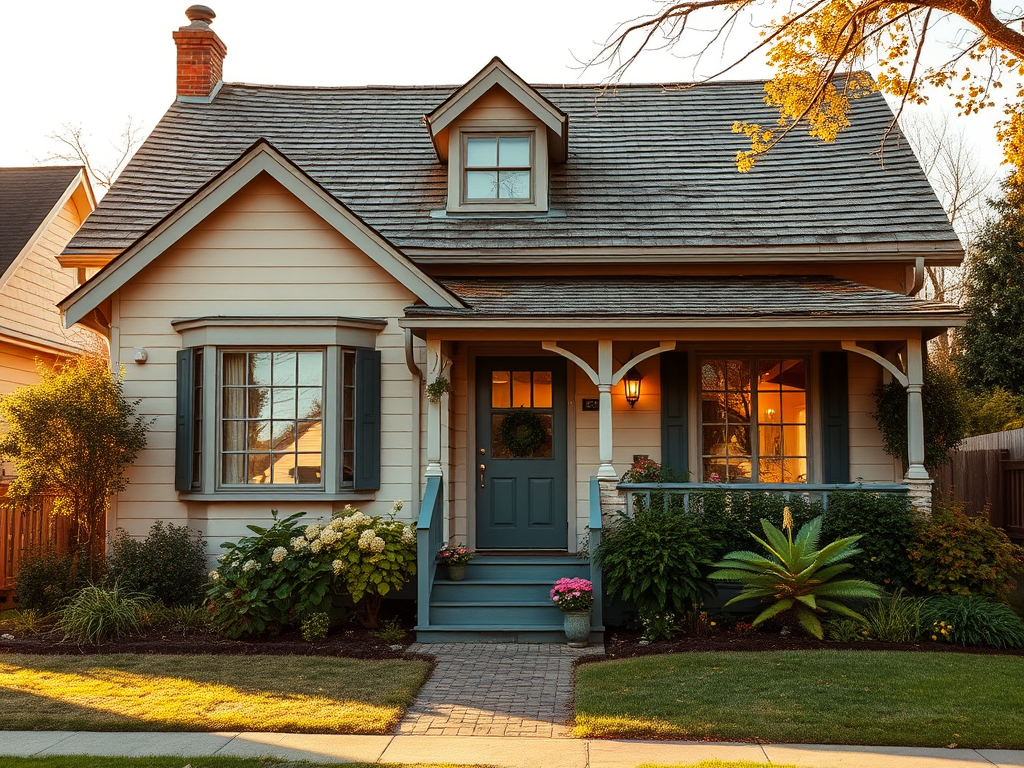
Buying a home is one of the most significant investments you’ll make in your lifetime. While older homes—those built-in 2000 or earlier—often come with charm, character, and solid construction, they can also hide costly maintenance issues. To ensure you’re making a smart investment, it’s crucial to inspect the property thoroughly and understand the potential challenges of owning an older home.
In this guide, we’ll discuss the key areas to inspect before purchasing an older home, estimate repair costs, and offer tips to avoid surprises.

1. Roof Condition: Is It Time for a Replacement?
The roof is one of the most critical components of any home. If the house was built around 2000, its roof could be nearing the end of its lifespan, especially if it hasn’t been replaced. Here’s what to look for:
- Signs of wear: Missing, cracked, or curling shingles.
- Water damage: Stains on ceilings or walls, or leaks in the attic.
- Structural issues: Sagging or moss growth, which can indicate moisture problems.
💰 Replacement Cost: 8,000−8,000−25,000+, depending on materials and roof size.
Pro Tip: Ask the seller for documentation on the roof’s age and any past repairs. If it’s nearing 20-30 years old, budget for a replacement soon.
2. Plumbing: Are the Pipes Still in Good Shape?
Older homes often have outdated plumbing systems that can lead to leaks, low water pressure, or even burst pipes. Pay attention to:
- Galvanized steel pipes (pre-1970s): These corrode over time, reducing water flow and increasing the risk of leaks.
- Polybutylene pipes (1978-1995): Known for failing and causing water damage.
- Clay or cast-iron sewer lines (pre-1980s): Prone to cracking and root intrusion.
🔍 Inspection Tip: Hire a professional to perform a sewer scope inspection (200−200−500) to check for hidden issues in the underground sewer lines.
3. Electrical System: Is It Safe and Up to Code?
Older homes may have electrical systems that are outdated or unsafe. Key red flags include:
- Fuse boxes (pre-1960s): These are less efficient and safer than modern circuit breakers.
- Aluminum wiring (1960s-1970s): Prone to overheating and fire hazards.
- Lack of GFCI outlets: These are essential in kitchens, bathrooms, and outdoor areas to prevent electrical shocks.
⚡ Upgrade Cost: Rewiring or upgrading the electrical panel can cost 2,000−2,000−10,000+.
Pro Tip: If the home still has knob-and-tube wiring (common in homes built before 1950), it’s a strong indicator that the electrical system needs a complete overhaul.
4. HVAC System: How Efficient Is It?
Heating, ventilation, and air conditioning (HVAC) systems have a limited lifespan. If the home’s HVAC system is original, it may be time for an upgrade:
- Furnace lifespan: 15-20 years.
- Air conditioner lifespan: 10-15 years.
🔥 Replacement Cost: A new furnace can cost 3,000−3,000−7,000, while a new AC unit may run 4,000−4,000−10,000.
Pro Tip: Check the energy efficiency rating of the HVAC system. Older systems are often less efficient, leading to higher utility bills.
5. Foundation & Structural Integrity: Is the House Settling?
Foundation issues are common in older homes due to shifting soil, water damage, or natural settling over time. Warning signs include:
- Cracks in the foundation or basement walls.
- Uneven floors or doors/windows that don’t close properly.
- Musty smells in the basement, which could indicate moisture problems.
🔎 Inspection Tip: A professional foundation inspection costs 300−300−800 but can save you from expensive repairs down the line (5,000−5,000−50,000+).
6. Insulation & Energy Efficiency: Are High Bills Ahead?
Older homes often lack modern insulation and energy-efficient features, which can lead to higher heating and cooling costs.
Check for:
- Single-pane windows: These are far less efficient than double-pane windows.
- Poor attic or wall insulation: Common in homes built before 2000.
💡 Upgrade Cost: Replacing windows and adding insulation can cost 5,000−5,000−15,000, but the energy savings can make it worthwhile.
7. Lead Paint & Asbestos: Hidden Health Hazards
If the home was built before 1978, it may contain lead-based paint, which is hazardous when peeling or deteriorating. Homes built before 1980 may also have asbestos in insulation, pipes, or ceiling tiles.
- Lead Paint Test: 200−200−400.
- Asbestos Removal: 1,500−1,500−20,000+, depending on the extent of the problem.
Pro Tip: If you have young children or plan to renovate, testing for these hazards is a must.
8. Mold & Water Damage: Are There Hidden Issues?
Older homes are more prone to water damage and mold due to outdated plumbing, poor ventilation, and aging roofs. Look for:
- Musty odors.
- Stains or peeling paint on ceilings or walls.
- Soft spots on floors, which could indicate hidden water damage.
💰 Mold Removal Cost: 500−500−10,000+, depending on the severity.
9. Permits & Renovation History: Were Updates Done Legally?
If the home has undergone renovations, ensure the work was done with proper permits. Unpermitted work can lead to safety issues, fines, or problems when selling the home later.
🔎 How to Check: Request city permit records or hire a professional to verify the home’s renovation history.
Final Thoughts: Should You Buy an Older Home?
Older homes can be a fantastic investment, offering unique charm and solid construction. However, they often come with hidden costs and maintenance needs. Here’s a quick breakdown:
- For a 2000s home: Focus on the roof, HVAC system, and appliances, as they may need updates soon.
- For pre-2000 homes: Pay close attention to the electrical system, plumbing, insulation, and structural integrity.
- For pre-1980s homes: Be cautious of lead paint, asbestos, and outdated wiring.
Before making an offer, invest in a thorough home inspection (300−300−500) to identify potential issues. Understanding the repair costs and planning for them will help you make a confident decision and avoid costly surprises down the road.
Ready to buy an older home? With the right preparation and knowledge, you can turn a charming older property into your dream home!
 DecoPicks
You must be logged in to post a comment.